


Interface Evolution and Multi-Process Coupling Mechanisms of Yttrium Recovery from Acid Mine Drainage by Limestone Cores Mediated by Iron and Manganese
-
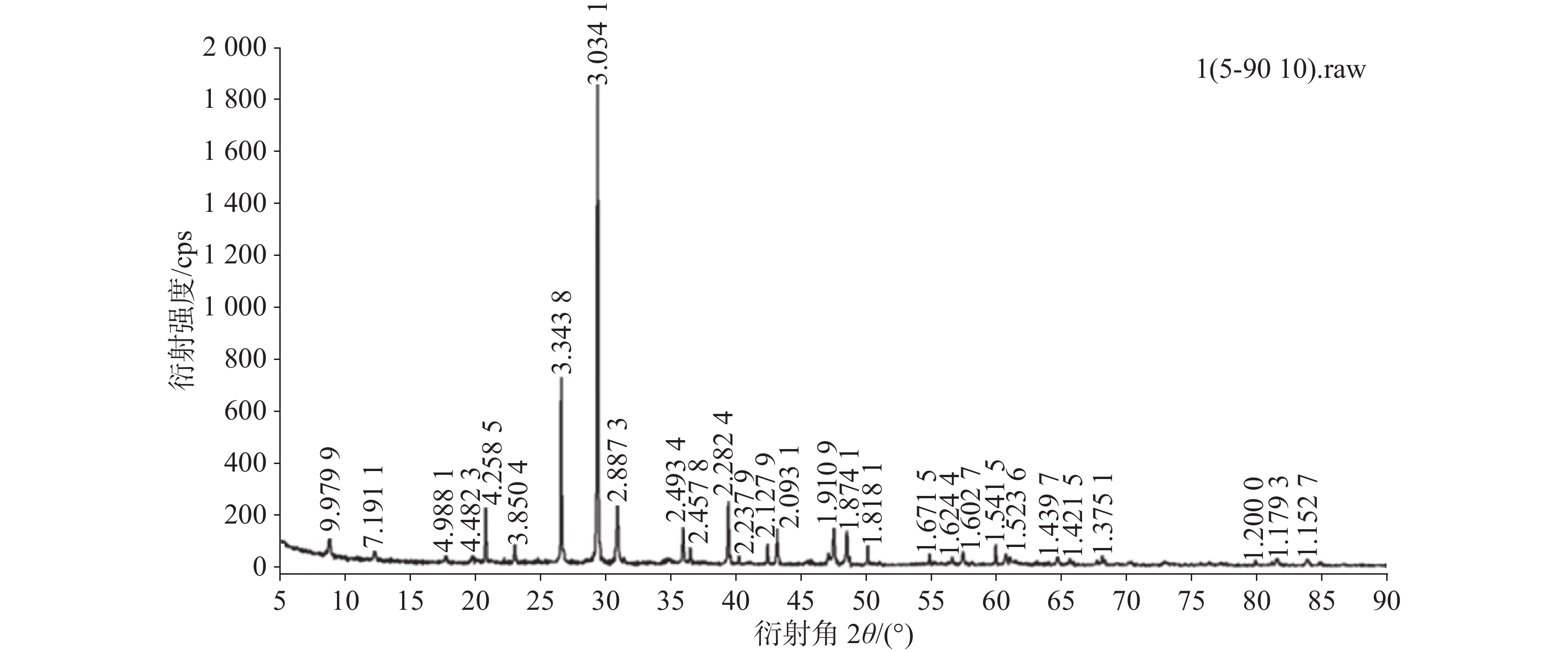
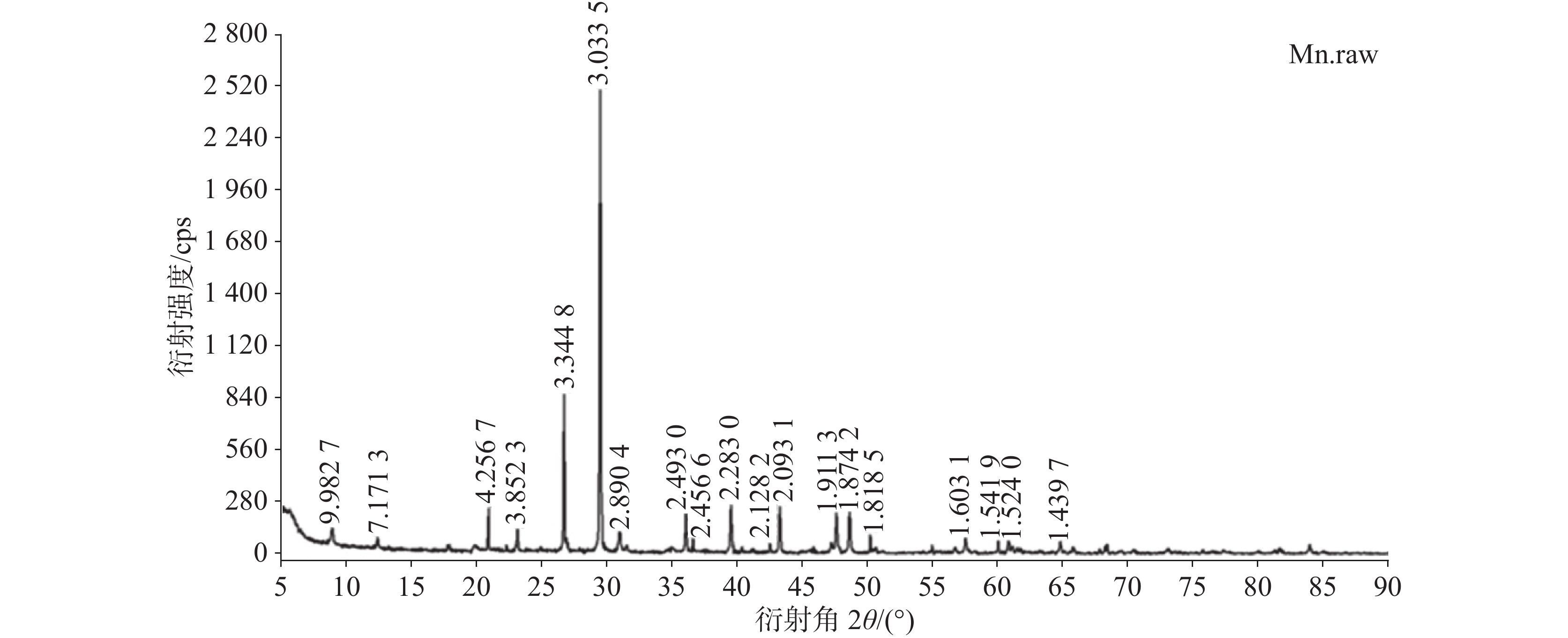
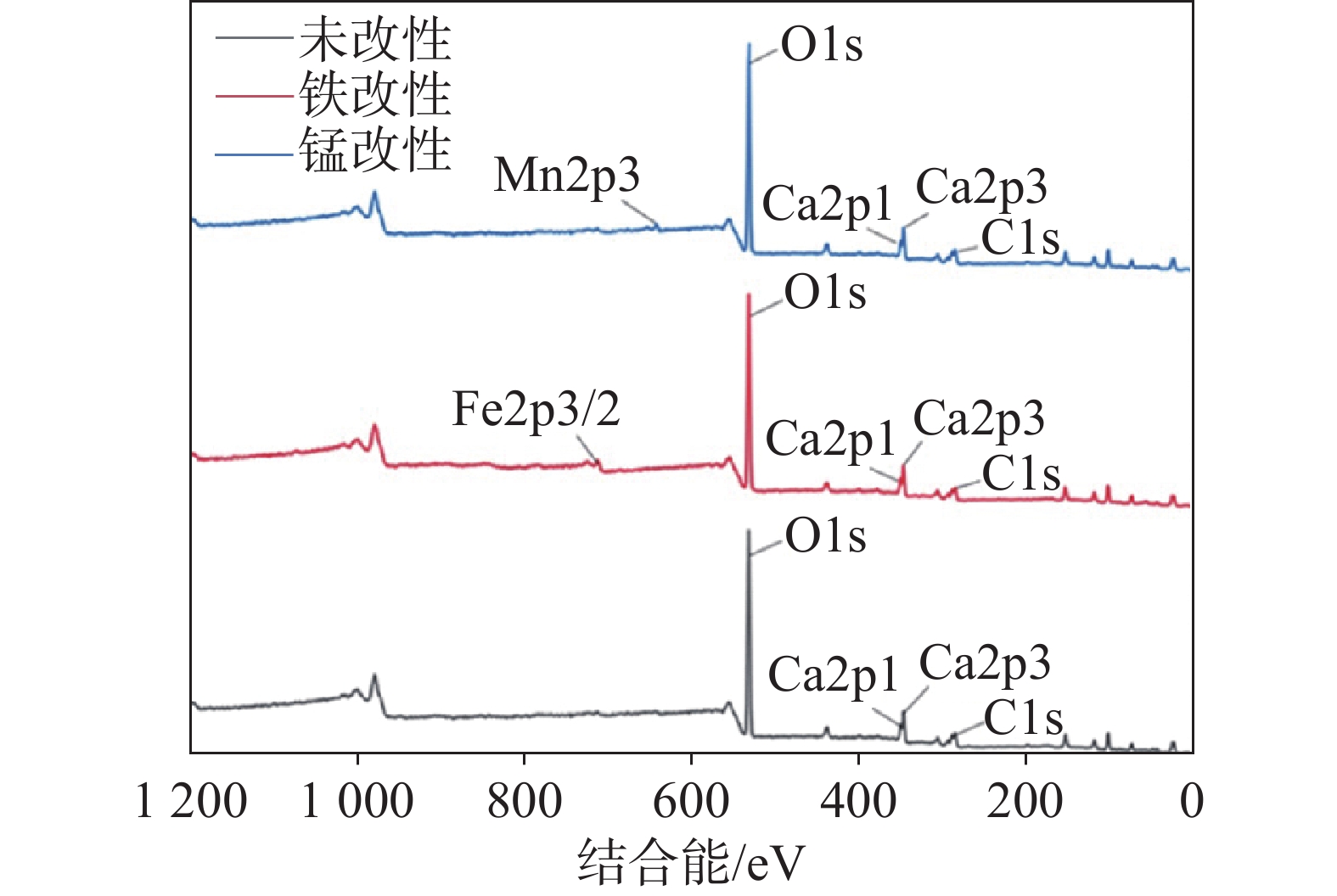
摘要: 文章以天然灰岩岩芯为研究对象,结合动态流动实验、BET、XRD、XPS表征及Phreeqc地球化学模拟,系统研究了酸性矿山废水(AMD)中稀土元素钇(Y(III))在灰岩体系中的回收行为及作用机制,以及废水中赋存的Fe、Mn等金属元素对回收过程的影响机制。结果表明,Fe和Mn的参与未改变方解石晶体结构,但显著调控了材料表面性质,其中Fe的参与显著提高了比表面积并引入高密度Fe-OH活性位点,增强了体系对钇的富集与固定能力,在拟定吸附实验的前100 h出水钇浓度几乎为0。此外,Mn同样对灰岩表面性质及Y的去除行为产生了一定影响,表明Mn参与了界面反应过程并可能改变了表面活性位点分布。相较于含Fe体系,Mn对Y去除性能的影响相对较弱,因此本文主要针对Fe介导的界面作用进行了进一步讨论。Phreeqc模拟表明,方解石溶解导致体系pH升高至9.2并促进钇向稳定碳酸络合物转化,回收过程受矿物溶解–溶液络合–表面络合多过程耦合控制。在Fe参与条件下,钇在灰岩表面的固定稳定性显著提高,出水浓度波动减小,体系回收效率得到增强。研究结果表明,灰岩在Fe参与条件下具有一定的稀土资源化回收潜力,为酸性矿山废水中稀土元素的资源化利用提供了实验依据和理论支持。本研究创新性地揭示了Fe在灰岩表面形成的铁氧化物包覆层由传统钝化层向活性吸附界面层的转变机制,阐明了钇回收过程中由方解石溶解,铁氧化物界面重构以及表面络合构成的多过程耦合控制机制,构建了实验表征与Phreeqc模拟相结合的界面反应分析方法,为AMD中稀土元素高效资源化回收提供了新的认识。
-
关键词:
- 稀土元素 /
- 岩芯 /
- 酸性矿山废水 /
- 资源化利用 /
- 表面络合模型(SCM)
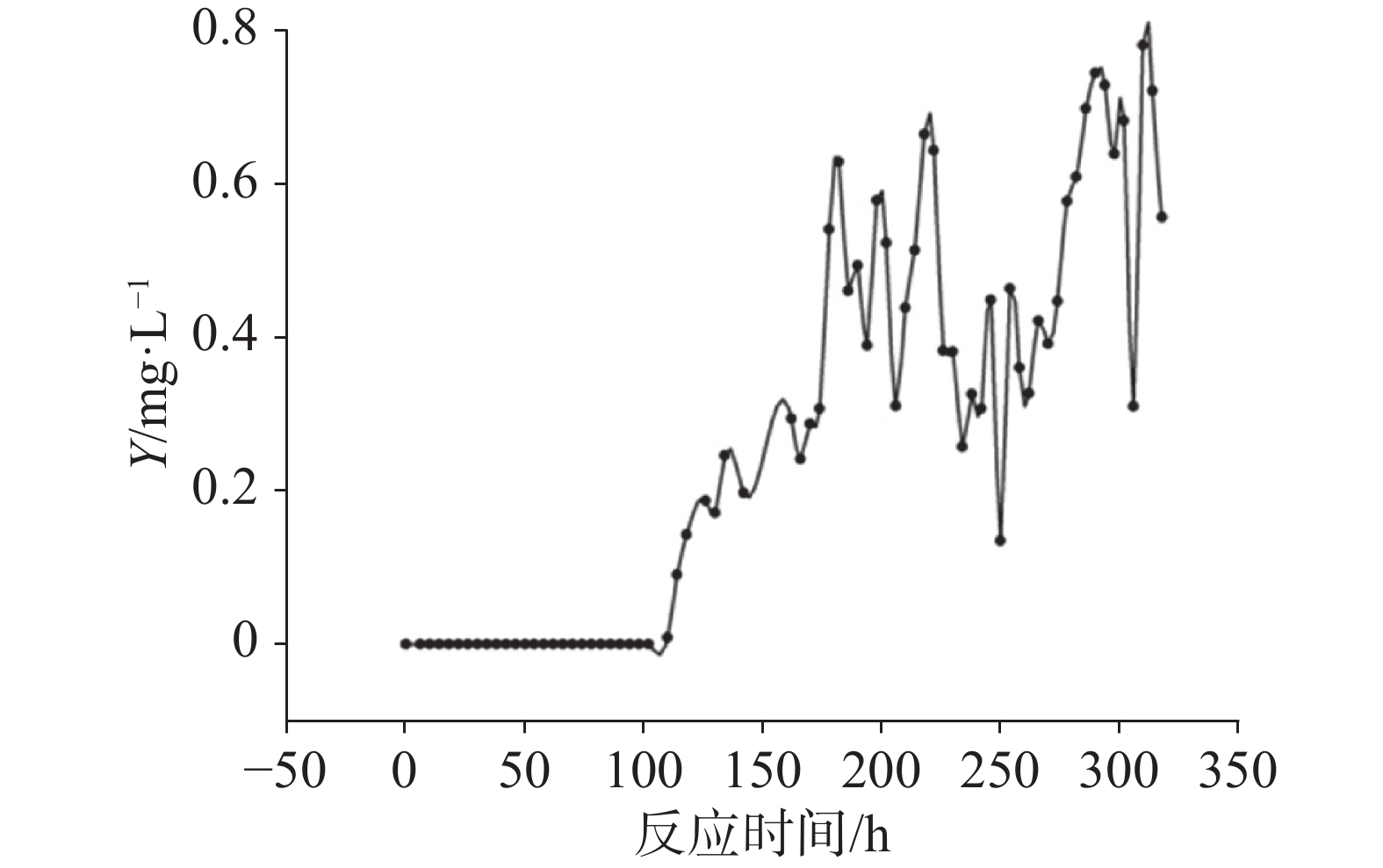
Abstract: Rare earth elements (REEs) are indispensable strategic resources widely used in advanced technologies, including renewable energy systems, electronic devices, catalysts, and high-performance magnetic materials. As global demand for REEs continues to increase, the development of alternative and sustainable resource recovery technologies has become increasingly important. Acid mine drainage (AMD), a common by-product of mining activities, often contains elevated concentrations of dissolved rare earth elements and therefore represents a potentially valuable secondary resource. Among REEs, yttrium (Y) is commonly regarded as a representative heavy rare earth element because of its similar ionic radius, coordination behavior, and geochemical characteristics. Efficient recovery of yttrium from AMD can simultaneously reduce environmental risks and enhance resource utilization efficiency. Although a variety of technologies, including chemical precipitation, solvent extraction, ion exchange, membrane separation, and biosorption, have been applied to recover REEs from aqueous systems, these methods often suffer from high operational costs, complex procedures, or limited applicability under acidic conditions. Limestone, which mainly consists of calcite (CaCO3), is an inexpensive and widely available material capable of neutralizing acidity and interacting with dissolved metal ions. Previous studies have demonstrated that rare earth elements can be adsorbed onto carbonate minerals; however, the influence of coexisting metals such as iron (Fe) and manganese (Mn) on interfacial evolution and yttrium immobilization mechanisms remains poorly understood. In particular, the coupled effects of mineral dissolution, metal precipitation, aqueous complexation, and surface complexation have not been systematically investigated.In this study, natural limestone cores were employed as reactive media to investigate the recovery behavior of Y(III) from simulated AMD systems. Dynamic flow-through adsorption experiments were conducted to evaluate yttrium removal performance under continuous-flow conditions. Surface and mineralogical changes were characterized using Brunauer-Emmett-Teller (BET) surface area analysis, X-ray diffraction (XRD), and X-ray photoelectron spectroscopy (XPS). Furthermore, PHREEQC geochemical simulations combined with a surface complexation model (SCM) were used to quantitatively analyze yttrium speciation, mineral-water interactions, and adsorption mechanisms. The results demonstrated that neither Fe nor Mn altered the crystal structure of calcite. XRD analyses showed that all samples remained dominated by calcite after treatment. However, significant differences in surface properties were observed. BET measurements revealed that Fe treatment increased the specific surface area of limestone from 13.99 to 24.36 m2·g−1, representing an increase of approximately 74%, whereas Mn treatment produced only a modest increase. XPS spectra confirmed the successful incorporation of Fe and Mn onto the limestone surface and indicated the formation of additional oxygen-containing functional groups. These findings suggest that Fe and Mn were primarily deposited as amorphous or poorly crystalline hydroxide phases rather than forming new crystalline minerals. Dynamic adsorption experiments showed that Fe substantially enhanced yttrium recovery performance. Under Fe-mediated conditions, the concentration of yttrium in the effluent remained nearly zero during the first 100h of operation, indicating extremely strong initial retention and delayed breakthrough behavior. The recovery efficiency exceeded 99% under optimized conditions. In contrast, Mn also improved yttrium removal but exhibited significantly weaker enhancement compared with Fe. These observations indicate that iron plays a dominant role in regulating yttrium immobilization at the mineral-water interface. PHREEQC simulations revealed that calcite dissolution strongly influenced system geochemistry. The initial acidic solution (pH 4.0) evolved toward alkaline conditions (approximately pH 9.2) as calcite dissolved and consumed hydrogen ions. This process released carbonate species into solution and promoted the formation of stable yttrium-carbonate complexes. Speciation calculations indicated that carbonate complexation became the dominant control on dissolved yttrium distribution after reaction. Nevertheless, surface adsorption remained an important mechanism for yttrium immobilization. When Fe was incorporated into the system, additional Fe-OH surface sites were introduced through the formation of hydrous ferric oxide-like coatings. Surface complexation modeling demonstrated that yttrium could form stable inner-sphere complexes with these Fe-OH groups. Compared with adsorption on calcite surfaces, Fe-mediated adsorption exhibited stronger binding strength and greater resistance to competitive effects from Ca2+ and carbonate ligands. Consequently, the presence of iron significantly enhanced yttrium fixation stability and reduced fluctuations in effluent concentration during long-term operation. A key finding of this study is that the iron-rich coating traditionally regarded as a passivating layer does not merely inhibit calcite dissolution. Instead, it evolves into a highly reactive interfacial layer that provides abundant adsorption sites for yttrium. This transformation fundamentally changes the role of iron precipitates in AMD treatment systems. The recovery process is controlled by a multi-process coupling mechanism involving calcite dissolution, pH regulation, iron hydroxide precipitation, aqueous carbonate complexation, and surface complexation reactions. These processes collectively determine the migration, enrichment, and stabilization of yttrium within the limestone system. Overall, this study provides new insights into the interfacial evolution and recovery mechanisms of yttrium in limestone-based AMD treatment systems. The results demonstrate that iron-mediated limestone possesses considerable potential for rare earth resource recovery and highlight the importance of reactive iron oxide interfaces in controlling yttrium behavior. The integrated experimental-modeling framework developed in this work offers a useful approach for understanding complex mineral-water interactions and provides a theoretical basis for the sustainable recovery of rare earth elements from acid mine drainage.-
Key words:
- REE /
- limestone core /
- AMD /
- resource utilization /
- surface complexation model (SCM)
-
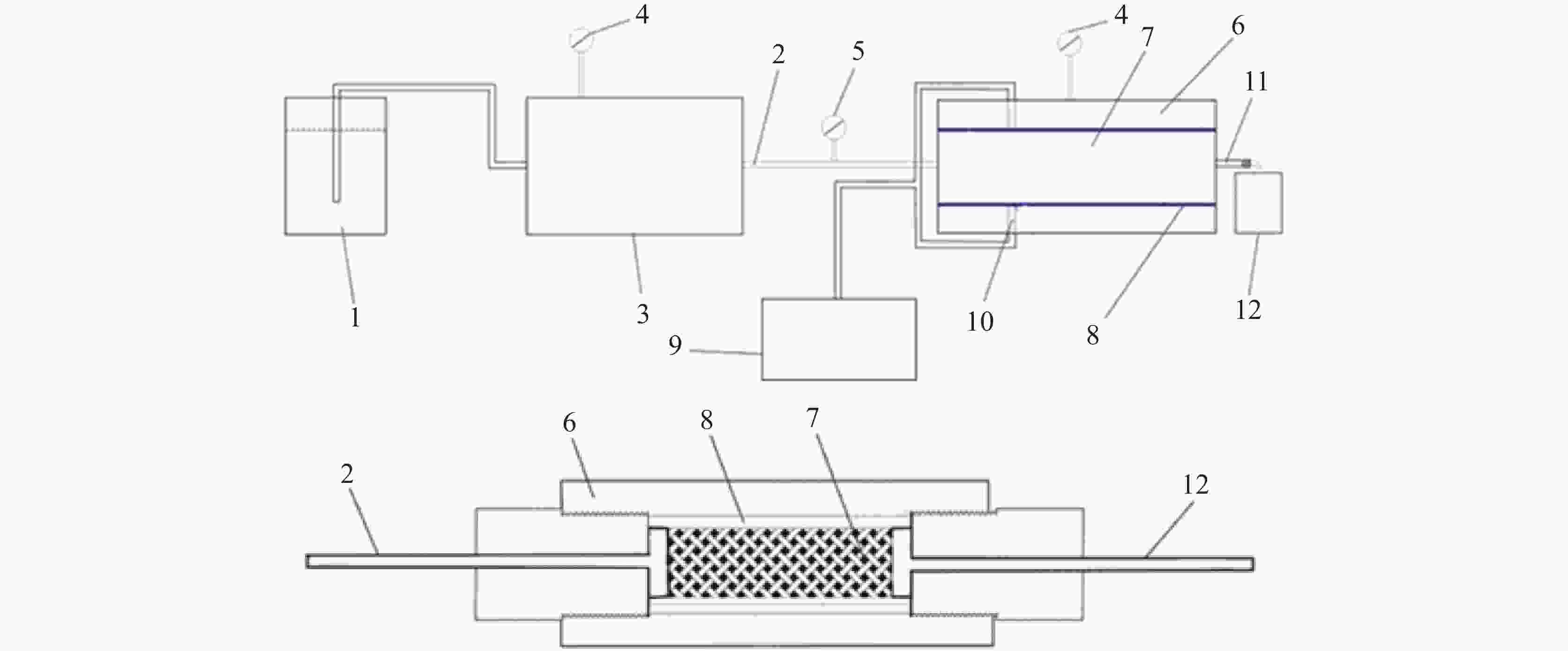
图 2 实验装置示意图
(1.实验水溶液储存箱,2.进水管,3.柱塞泵,4.压力表,5.流量计,6.致密岩体反应池,7.致密岩体岩样,8.氟橡胶套管,9.高压手动泵,10.连接口,11.出水管,12.收集装置。)
Figure 2. Schematic diagram of the experimental apparatus
(1. Experimental aqueous solution storage tank, 2. Inlet pipe, 3. Plunger pump, 4. Pressure gauge, 5. Flow meter, 6. Dense rock reaction cell,7. Dense rock sample, 8. Fluororubber sleeve, 9. High-pressure manual pump, 10. Connector, 11. Outlet pipe, 12. Collection device.)
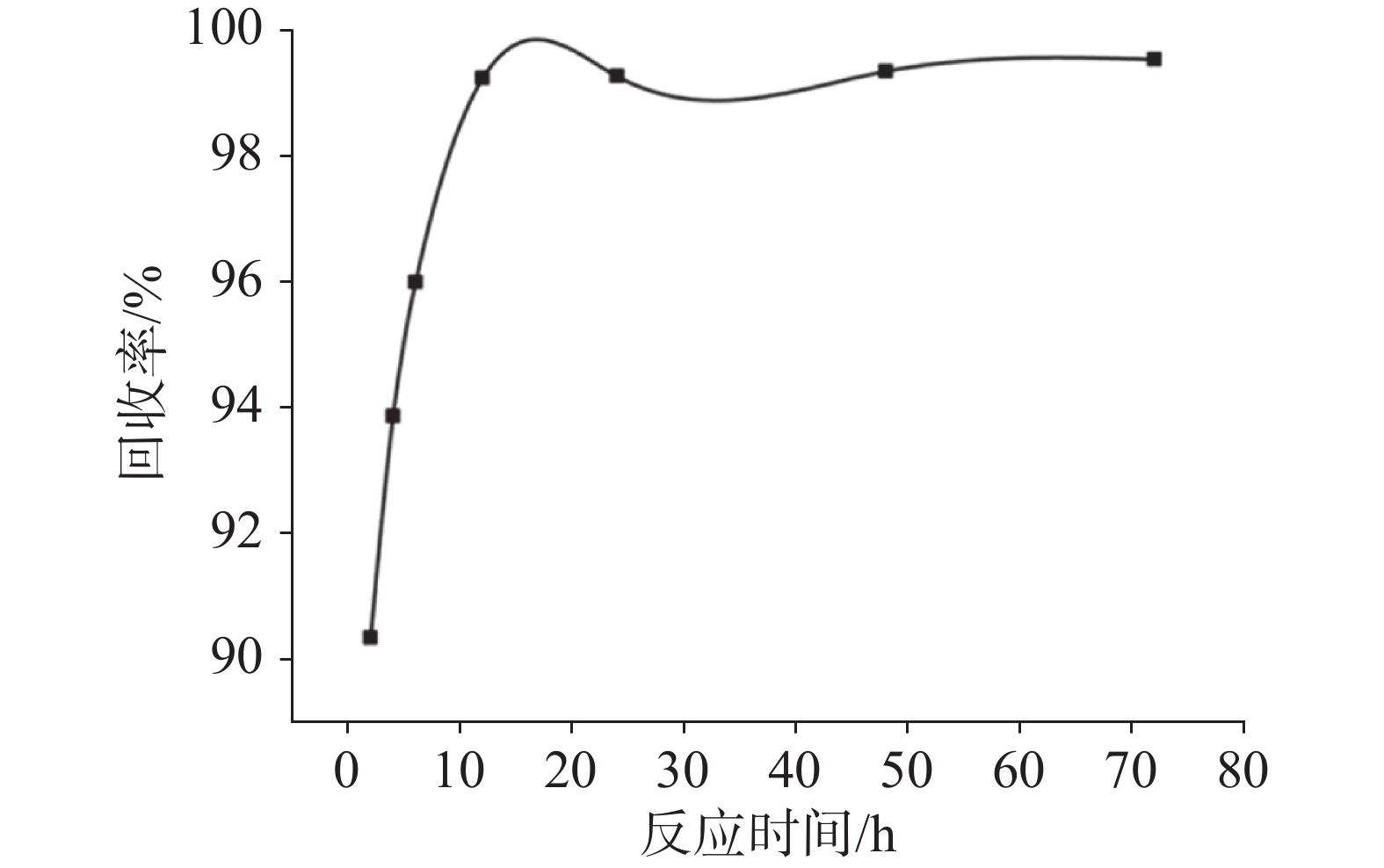
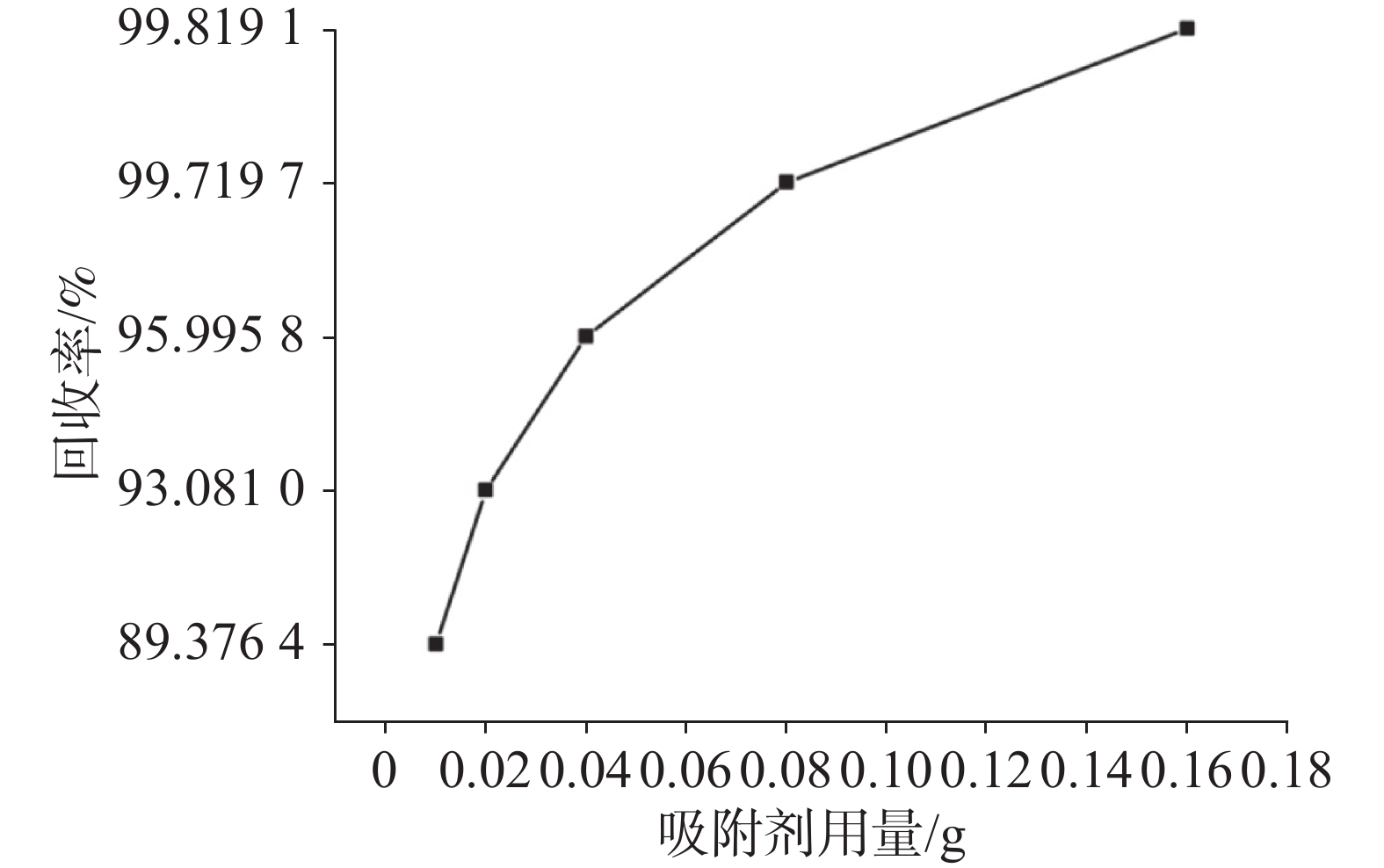
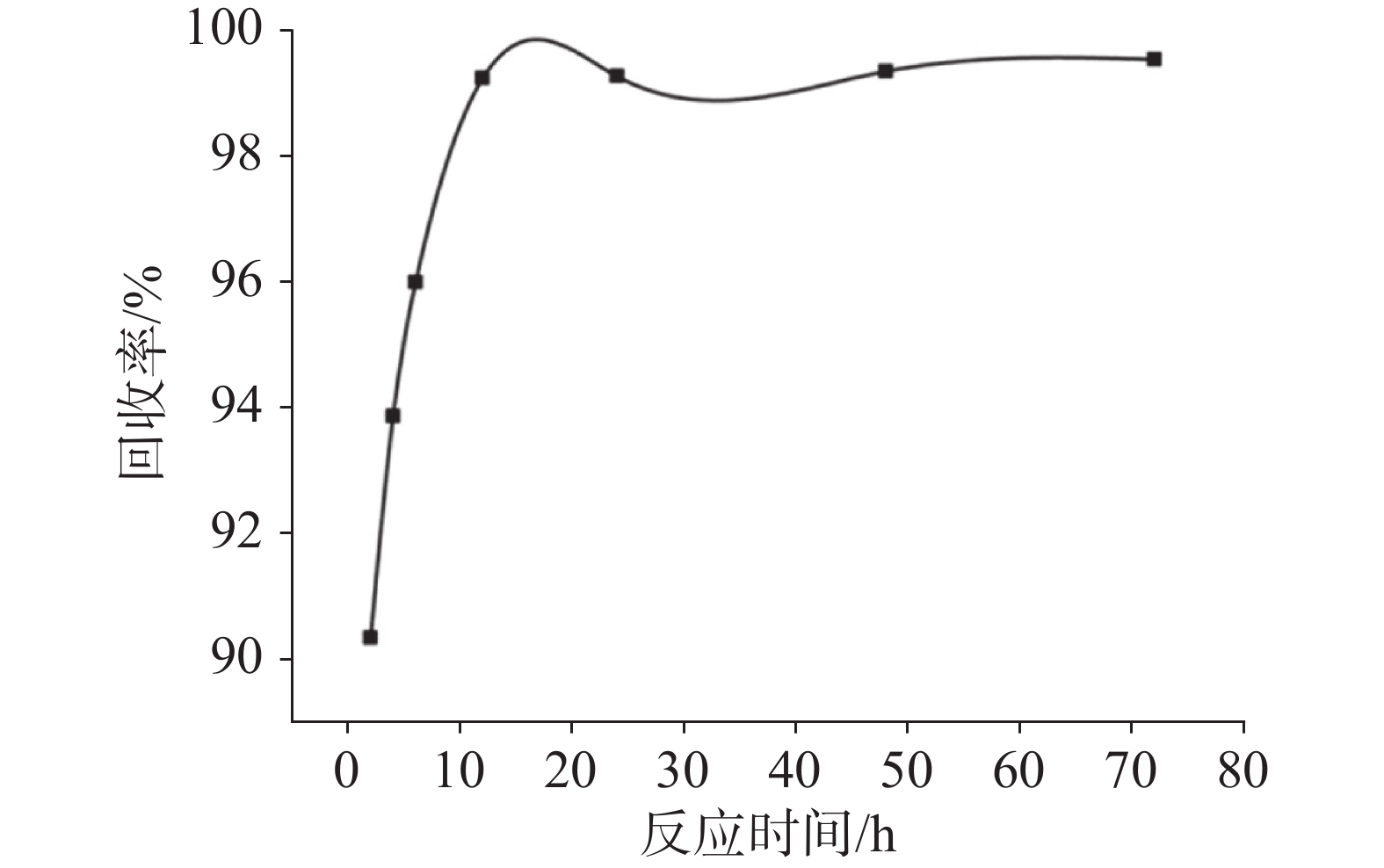
图 8 反应时间对氯化铁浸泡岩芯回收率的影响
Figure 8. Effect of Reaction Time on Recovery Efficiency of Ferric Chloride−Soaked Core
表 1 岩芯浸泡条件
Table 1. Core immersion conditions
实验条件 数值 浸泡液浓度 20 μmol∙L−1 岩芯浸泡时间 24 h 岩芯烘干温度 130 ℃ 岩芯烘干时间 8 h  下载: 导出CSV
表 2 岩芯比表面积
Table 2. Specific surface area of core samples
原岩芯 铁盐浸泡岩芯 锰盐浸泡岩芯 比表面积/(m2∙g−1) 13.9936 24.3644 16.8336 增幅百分比 − 74% 21%
下载: 导出CSV
表 3 氯化铁用量对回收率的影响
Table 3. Effect of ferric chloride dosage on recovery efficiency
用量/g 0.01 0.02 0.04 0.08 0.16 回收率/% 89.3764 93.0810 95.9958 99.7197 99.8191
下载: 导出CSV
表 4 反应时间对回收率的影响
Table 4. Effect of reaction time on recovery efficiency
时间/h 2 4 6 12 24 48 72 回收率/% 90.3514 93.8677 95.9958 99.2378 99.2687 99.3465 99.5359
下载: 导出CSV
表 5 反应后吸附状态分布
Table 5. Distribution of adsorption states after reaction
表面物种 mol 占比 Hfo_sO− 3.675e-6 61.2% Hfo_sOHCa2+ 1.965e-6 32.7% Hfo_sOY2+ 2.885e-7 4.8% Hfo_sOH 7.2e-8 1.2%
下载: 导出CSV
-
[1] Terrinili L, Rateau R, Szucs A M, Maddin M, Rodriguez-Blanco J D. Impact of rare earth elements on CaCO3 crystallization: insights into kinetics, mechanisms, and crystal morphology[J]. Crystal Growth & Design, 2023, 24(2): 632-645. doi: 10.1021/acs.cgd.3c00858.s001 [2] Goodenough K M, Wall F, Merriman D. The rare earth elements: demand, global resources, and challenges for resourcing future generations[J]. Natural Resources Research, 2018, 27(2): 201-216. doi: 10.1007/s11053-017-9336-5 [3] Migaszewski Z M, Gauszka A. The characteristics, occurrence, and geochemical behavior of rare earth elements in the environment: a review[J]. Critical reviews in environmental science and technology, 2015, 45(5): 429-471. doi: 10.1080/10643389.2013.866622 [4] 张红敏, 赵学钦, 王富东, 吴昌达, 李松. 四川九寨沟诺日朗瀑布钙华大坝放射性及沉积环境意义[J]. 中国岩溶, 2021, 40(1): 157-165. doi: 10.11932/karst20210117Zhang Hongmin, Zhao Xueqin, Wang Fudong, Wu Changda, Li Song. Radioactivity of Nuorilang waterfall travertine dam in Jiuzhaigou valley, Sichuan Province and its implication for the sedimentary environment[J]. Carsoloogica sinica, 2021, 40(1): 157-165. doi: 10.11932/karst20210117 [5] 曹万杰, 季宏兵, 朱先芳, 赵兴媛, 乔敏敏. 贵州高原地区典型风化剖面地球化学特征及其对比研究 [J]. 中国岩溶, 2012, 31(2): 131-138.Cao Wanjie, Ji Hongbing, Zhu Xianfang, Zhao Xingyuan , Qiao Minmin. Contrast of geochemical features of the typical weathered profiles in Guizhou Plateau [J]. Carsoloogica sinica, 2012, 31(2): 131-138. [6] 韩贵琳, 刘丛强. 喀斯特河流溶解态稀土元素组成变化及其控制因素 [J]. 中国岩溶, 2004, 23(3): 177-186.Han Guilin, Liu Congqiang. Controlling factors for variatation in dissolved rare-earth elements in karst drainage basin [J]. Carsoloogica sinica, 2012, 31(2): 131-138. [7] Liu H, Guo H, Pourret O, Wang Z, Liu M, Zhang W, Li Z, Gao B, Sun Z, Laine P. Geochemical signatures of rare earth elements and yttrium exploited by acid solution mining around an ion-adsorption type deposit: Role of source control and potential for recovery[J]. Science of the total Environment, 2022, 804: 150241. doi: 10.1016/j.scitotenv.2021.150241 [8] Mwewa B, Tadie M, Ndlovu S, S. Simate G, Matinde E . Recovery of rare earth elements from acid mine drainage: A review of the extraction methods [J]. Journal of Environmental Chemical Engineering, 2022, 10(3): 107704. [9] Vítová M, Mezricky D. Microbial recovery of rare earth elements from various waste sources: a mini review with emphasis on microalgae[J]. World Journal of Microbiology and Biotechnology, 2024, 40(6): 189. doi: 10.1007/s11274-024-03974-4 [10] Middleton A, Hedin B C, Hsu-kim H. Recovery of rare earth elements from acid mine drainage with supported liquid membranes: impacts of feedstock composition for extraction performance[J]. Environmental science & technology, 2024, 58(6): 2998-3006. doi: 10.1021/acs.est.3c06445 [11] Asadollahzadeh M, Torkaman R, Torab-Mostaedi M. Extraction and separation of rare earth elements by adsorption approaches: current status and future trends[J]. Separation & Purification Reviews, 2021, 50(4): 417-444. doi: 10.1080/15422119.2020.1792930 [12] Hu Y, Florek J, LarivIère D, Fontaine F-G, Kleitz F. Recent advances in the separation of rare earth elements using mesoporous hybrid materials[J]. The Chemical Record, 2018, 18(7-8): 1261-1276. doi: 10.1002/tcr.201800012 [13] Saravanan P, Kannan R R, Saravanan V, Venkatkumar S, Rajasimman M, Sagadevan S, Baskar G. Current status and future directions: Separation of rare earth elements by sorption processes[J]. Journal of Molecular Liquids, 2025, 419: 126751. doi: 10.1016/j.molliq.2024.126751 [14] Sawada K, Abdel-AAL K, Tan K, Satoh K. Adsorption of lanthanoid ions on calcite[J]. Dalton Trans, 2005(20): 3291-3296. doi: 10.1039/b506688c [15] Mclennan S M. Rare earth elements in sedimentary rocks: influence of provenance and sedimentary processes [M]. Geochemistry and mineralogy of rare earth elements. De Gruyter. 2018: 169-200. [16] Sholkovitz E R J A G. The aquatic chemistry of rare earth elements in rivers and estuaries [J]. 1995, 1(1): 1-34. [17] 周厚云, 汤静, 袁道先. 石笋稀土元素含量的两种溶样方法测试结果对比分析 [J]. 中国岩溶, 2011, 30(3): 341-347.Zhou Houyun , Tang Jing , Yuan Daoxian. Rare earth element contents in speleothem determined by two dissolution methods[J]. Carsoloogica sinica, 2011, 30(3): 341-347. [18] Hamarstrom J M, Sibrell P L, Belkin H E J A G. Characterization of limestone reacted with acid-mine drainage in a pulsed limestone bed treatment system at the Friendship Hill National Historical Site, Pennsylvania, USA [J]. 2003, 18(11): 1705-1721. [19] Cornell R M, Schwertmann U. The iron oxides: structure, properties, reactions, occurrences and uses [M]. John Wiley & Sons, 2003. [20] 柏晓云, 林建伟, 詹艳慧, 常明玥, 辛慧敏, 吴俊麟. 利用铁改性方解石作为活性覆盖材料控制水体内源磷的释放[J]. 环境科学, 2020, 41(3): 1296-1307. doi: 10.13227/j.hjkx.201908127Bai Xiaoyun, Lin Jianwei, Zhan Yanhui, Cang Mingyue, Xin Huimin, Wu Junlin. Use of Iron-modified Calcite as an Active Capping Material to Control Phosphorus Release from Sediments in Surface Water Bodies[J]. Environmental Science, 2020, 41(3): 1296-1307. doi: 10.13227/j.hjkx.201908127 [21] Nordstrom D K. Mine Waters: Acidic to Circmneutral[J]. Elements, 2011, 7(6): 393-398. doi: 10.2113/gselements.7.6.393 [22] Blowes D, Ptacek C, Jambor J, Weisener CG, Gould WD, Johnson DB. The geochemistry of acid mine drainage[J]. Environmental geochemistry, 2003, 9: 149-204. [23] Stumm W. Morgan, JJ (1996): Aquatic Chemistry: Chemical Equilibria and Rates in Natural Waters [Z]. Wiley-Interscience, New York [24] Bau M. Scavenging of dissolved yttrium and rare earths by precipitating iron oxyhydroxide: experimental evidence for Ce oxidation, Y-Ho fractionation, and lanthanide tetrad effect[J]. Geochimica et Cosmochimica Acta, 1999, 63(1): 67-77. doi: 10.1016/S0016-7037(99)00014-9 [25] Post J E. Manganese oxide minerals: Crystal structures and economic and environmental significance[J]. Proceedings of the National Academy of Sciences, 1999, 96(7): 3447-3454. doi: 10.1073/pnas.96.7.3447 [26] Zhong S, Mucci A. Partitioning of rare earth elements (REEs) between calcite and seawater solutions at 25 C and 1 atm, and high dissolved REE concentrations[J]. Geochimica et Cosmochimica Acta, 1995, 59(3): 443-453. doi: 10.1016/0016-7037(94)00381-U [27] Koeppenkastrop D, Eric H. Sorption of rare-earth elements from seawater onto synthetic mineral particles: An experimental approach[J]. Chemical Geology, 1992, 95(3-4): 251-263. doi: 10.1016/0009-2541(92)90015-W [28] Ruthven D M. Principles of adsorption and adsorption processes [M]. John Wiley & Sons, 1984. [29] Parkhurst D L, Appelo C. Description of input and examples for PHREEQC version 3—a computer program for speciation, batch-reaction, one-dimensional transport, and inverse geochemical calculations[J]. US geological survey techniques and methods, 2013, 6(A43): 497. doi: 10.3133/tm6a43 [30] Shaltry M R, Tripathy P K, Yoo T-S, Fredrickson G L. Electrochemical measurement and analysis of YCl3, ScCl3, GdCl3 and MgCl2 in molten eutectic LiCl-KCl[J]. Journal of Electroanalytical Chemistry, 2021, 899: 115689. doi: 10.1016/j.jelechem.2021.115689 [31] Wood S A. The aqueous geochemistry of the rare-earth elements and yttrium: 1. Review of available low-temperature data for inorganic complexes and the inorganic REE speciation of natural waters[J]. Chemical Geology, 1990, 82: 159-186. [32] Sobolev B P, Sulyanova E A. Lanthanide Contraction in Ln F3 (Ln= Ce-Lu) and Its Chemical and Structural Consequences: Part 2: Specialized Empirical System of R 3+(R= Y, La, and 14 Ln) and F1− Ionic Radii for R F3 Series[J]. International Journal of Molecular Sciences, 2023, 24(23): 17080. doi: 10.3390/ijms242317080 [33] Marcus Y. Effect of ions on the structure of water: structure making and breaking[J]. Chemical reviews, 2009, 109(3): 1346-1370. doi: 10.1021/cr8003828 [34] Morse J W, Arvidson R S. The dissolution kinetics of major sedimentary carbonate minerals[J]. Earth-Science Reviews, 2002, 58(1-2): 51-84. doi: 10.1016/S0012-8252(01)00083-6 [35] Morse J W, Arvidson R S, Lüttge A. Calcium carbonate formation and dissolution[J]. Chemical reviews, 2007, 107(2): 342-381. doi: 10.1021/cr050358j [36] Byrne R H, KIM K-H. Rare earth element scavenging in seawater[J]. Geochimica et Cosmochimica Acta, 1990, 54(10): 2645-2656. doi: 10.1016/0016-7037(90)90002-3 [37] Hiemstra T, Van Riemsdijk W H. A surface structural approach to ion adsorption: the charge distribution (CD) model[J]. Journal of colloid and interface science, 1996, 179(2): 488-508. doi: 10.1006/jcis.1996.0242 [38] Kontoyannis C G, Vagenas N V. Calcium carbonate phase analysis using XRD and FT-Raman spectroscopy[J]. Analyst, 2000, 125(2): 251-255. doi: 10.1039/a908609i [39] Schwertmann U, Cornell R. Iron oxides in the laboratory [Z]. VCH, Weinheim Germany. 1991 [40] Waychunas G A, Kim C S, Banfield J F. Nanoparticulate iron oxide minerals in soils and sediments: unique properties and contaminant scavenging mechanisms[J]. Journal of nanoparticle research, 2005, 7(4): 409-433. doi: 10.1007/s11051-005-6931-x [41] Biesinger M C, Payne B P, Grosvenor A P, Lau L W M, Gerson A R, Smart R St C. Resolving surface chemical states in XPS analysis of first row transition metals, oxides and hydroxides: Cr, Mn, Fe, Co and Ni[J]. Applied Surface Science, 2011, 257(7): 2717-2730. doi: 10.1016/j.apsusc.2010.10.051 [42] Adu-Boahene F, Boakye P, Agyemang F O, Kanjua J, Oduro-Kwarteng S. Understanding fluoride adsorption from groundwater by alumina modified with alum using PHREEQC surface complexation model[J]. Scientific Reports, 2023, 13(1): 12307. doi: 10.1038/s41598-023-38564-1 [43] Iqbal M, Marsac R, Davranche M, Dia A, Hanna K. A mechanistic surface complexation approach for the prediction of rare earth element reactive transport in quartz porous media[J]. Chemical Geology, 2023, 634: 121601. doi: 10.1016/j.chemgeo.2023.121601 [44] Barret M, Katz L, Taylor S, Sansalone J, Stevenson M. Measuring and removing dissolved metals from stormwater in highly urbanized areas [M]. 2014. [45] Yang Y, Rogowska M, Zheng Y, Bruns S, Gundlach C, Stipp S L S, Sorensen H O. Momentary increase in reactive surface area in dissolving carbonate [J]. arXiv preprint arXiv: 170907784, 2017. [46] 冯 轲, 徐胜林, 陈洪德, 董翼昕l. 四川盆地西南部中二叠统白云岩成因分析——来自锶同位素、稀土元素证据 [J]. 中国岩溶, 2018, 37(5): 659-670.Feng Ke, Xu Shenglin, Chen Hongde , Dong Yixin. Genesis of the Middle Permian dolomite in the southwestern Sichuan basin: Evidence from strontium isotope and rare earth elements[J]. Carsoloogica sinica, 2018, 37(5): 659-670. [47] Horne J D, Costa L P, Haley B, Johannesson K H. A surface complexation model for simulating sorption of rare earth elements onto goethite in low ionic strength (I= 0.01 M) aqueous solutions for use in groundwater flow systems [J]. Chemical Geology, 2025: 123158. [48] Nwabanne J, Igbokwe P. Mechanism of copper (II) removal from aqueous solution using activated carbon prepared from different agricultural materials[J]. International journal of multidisciplinary sciences and engineering, 2012, 3(7): 46-52. [49] Dinh N T, Vo L N H, Tran N T T, Phan T D, Nguyen D B. Enhancing the removal efficiency of methylene blue in water by fly ash via a modified adsorbent with alkaline thermal hydrolysis treatment[J]. RSC advances, 2021, 11(33): 20292-20302. doi: 10.1039/D1RA02637B [50] Sawasdee S, Watcharabundit P. Adsorption of Fe (II) solution by sugarcane bagasse and activated carbon prepared from sugarcane bagasse [J]. 2019. -

 点击查看大图

计量
- 文章访问数: 130
- HTML浏览量: 63
- PDF下载量: 37
- 被引次数: 0
