


Karst development characteristics and genesis model of Taiyuan formation in Huaibei mining area
-
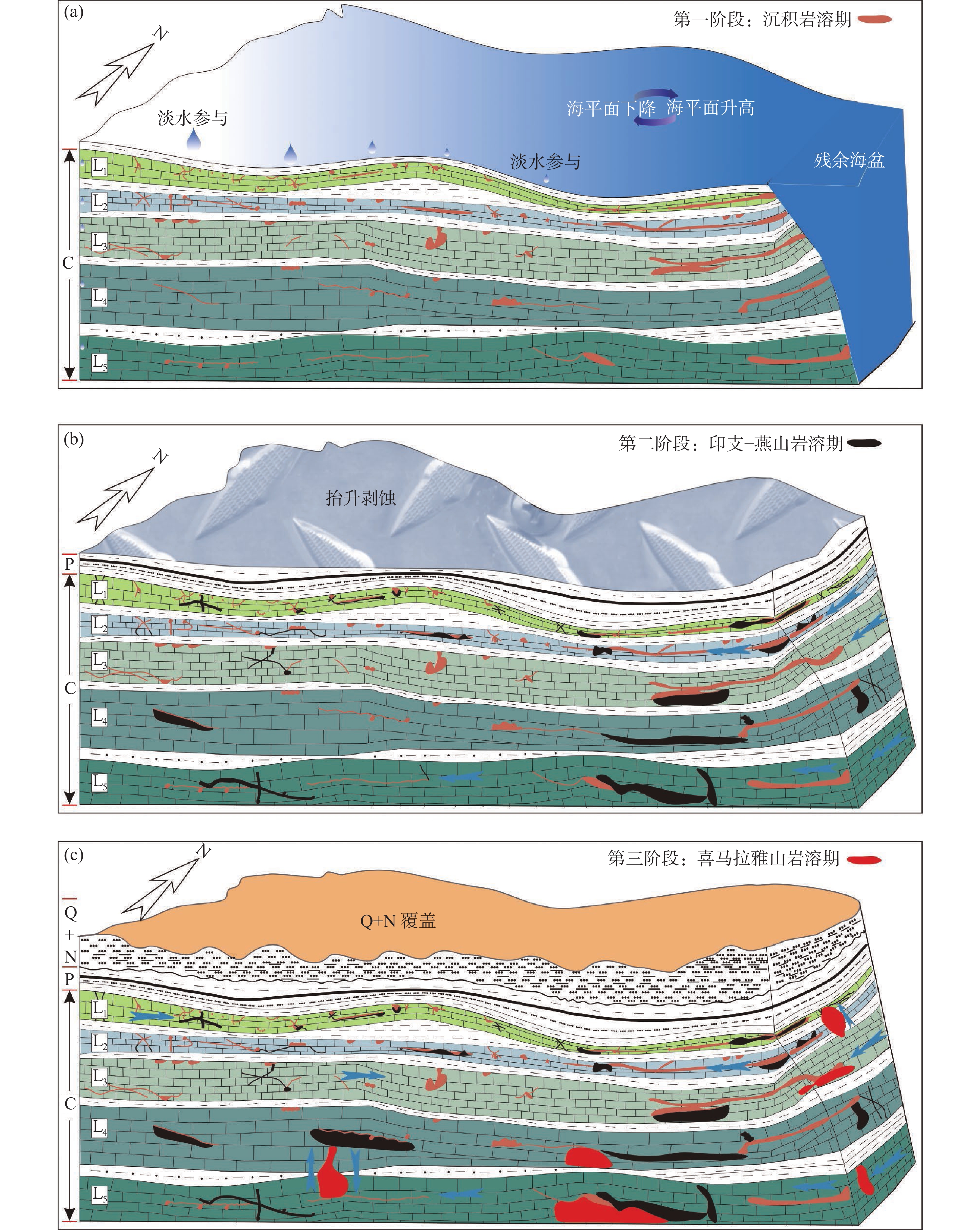
摘要: 淮北矿区石炭系太原组灰岩(简称“太灰”)赋存于二叠系煤系地层下部,具有“高水压、富水性中等”特性,且与下伏的奥陶系岩溶含水层之间存在密切的水力联系,成为10#煤层开采底板水害主要防治对象。文章以淮北矿区的宿南、闸河、临涣等矿区的石炭纪太灰上段灰岩(L1—L5)为研究对象,采用水文地质试验、高压压汞实验等方法,从宏观、微观上系统研究了纵向、横向上岩溶孔、缝、洞分布差异,评价了溶孔、溶洞、高(低)角度溶缝发育特征。结果表明:北部的闸河矿区太灰发育岩溶破碎带和溶洞,而南部的临涣矿区及东南部宿南矿区则以溶孔、溶缝为主。L1—L2以介孔与小孔径的宏孔为主,L3—L5除介孔发育外,仍出现大孔径的宏孔。基于构造控水控层特征分析,确定了淮北矿区L1—L5岩溶作用纵横向差异的重要控制因素为多期次构造运动,横向上以宿北断层为界,北部矿区受到更强烈的岩溶作用,纵向上太原组上段强岩溶层位范围为L3—L5,可作为底板灰岩区域注浆加固与改造的理想目标层。结合区域构造演化背景及岩溶发育特征,划分岩溶发育过程为沉积岩溶期、印支岩溶期、燕山岩溶期、喜马拉雅山岩溶期,并提出淮北矿区L1—L5岩溶成因模式。Abstract:
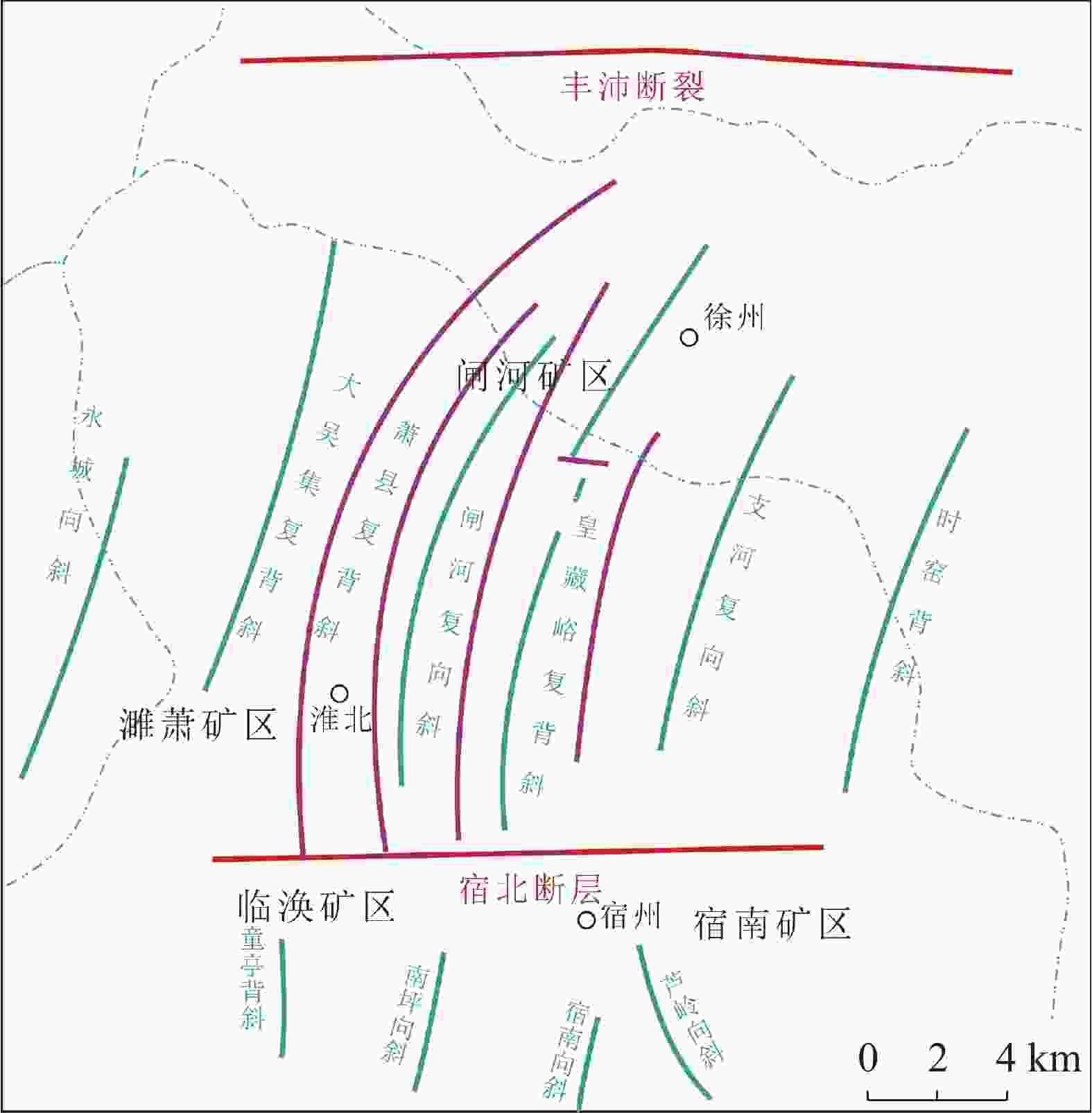
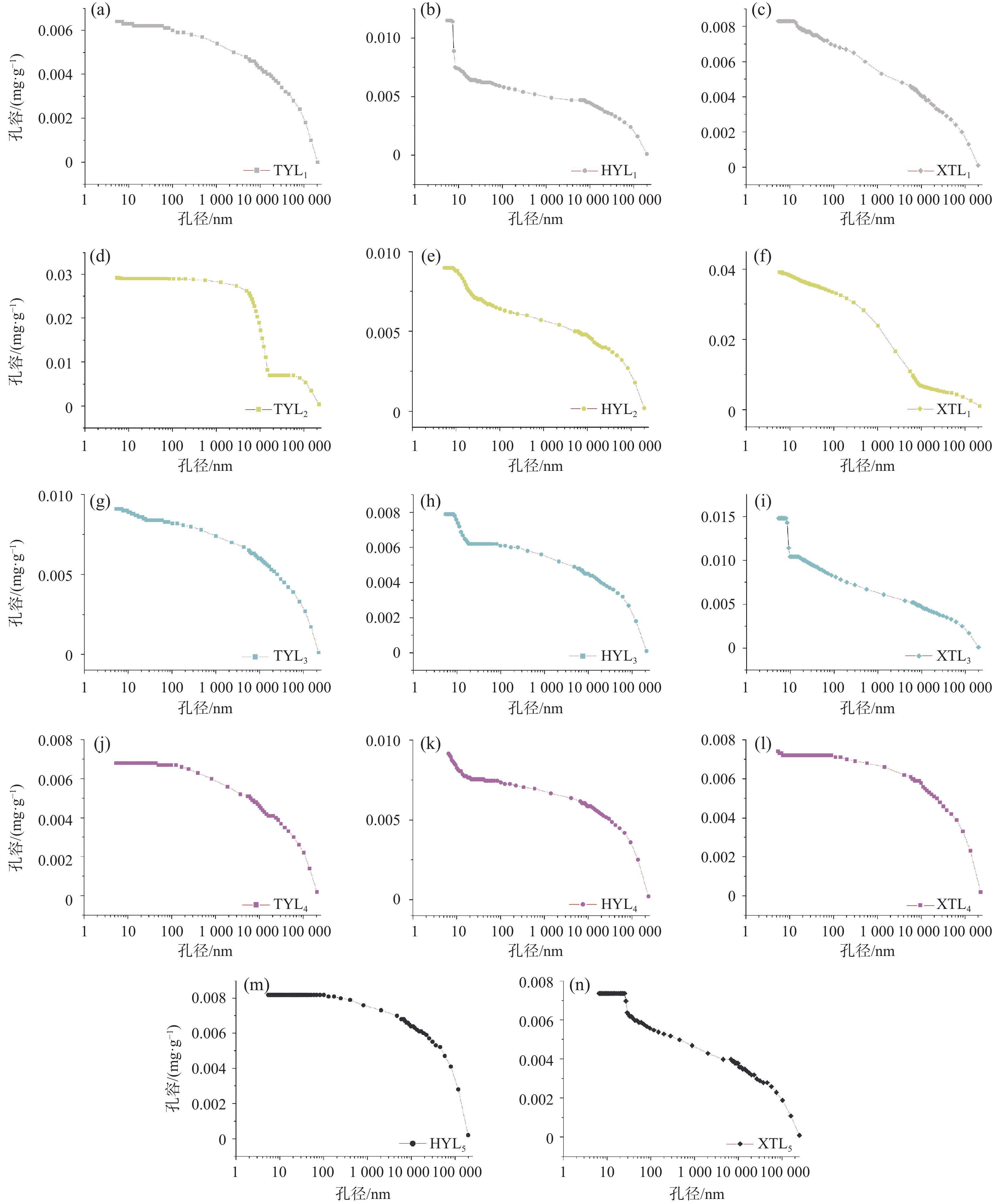
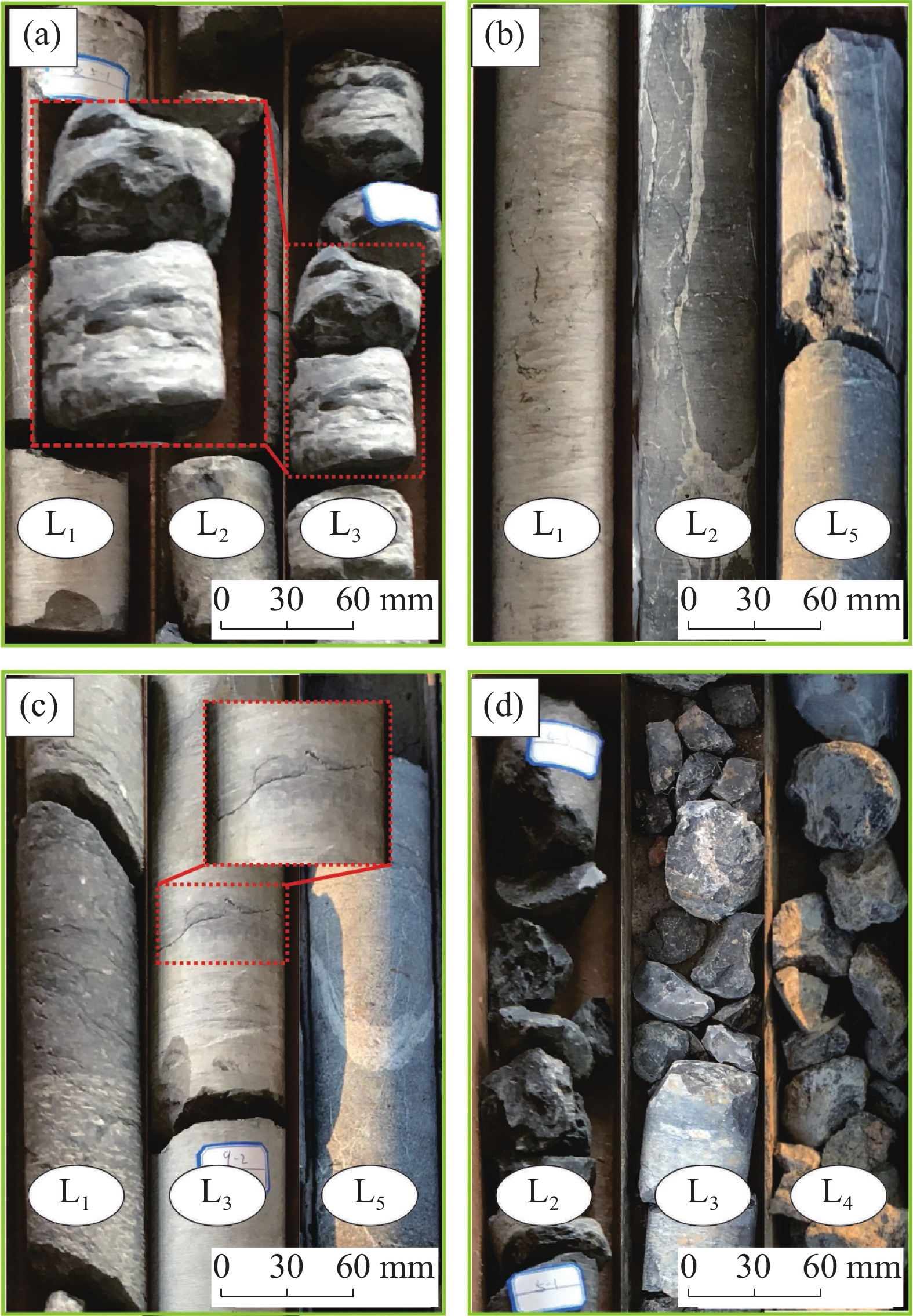
The exploitation of coal resources in the Huaibei mining area has provided crucial energy support for the industrial production and development of East China. The mining area is located on the southern margin of the North China Coalfield. The limestone of the Carboniferous Taiyuan Formation (referred to as "Taihui") occurs in the lower part of the Permian coal-bearing strata, characterized by "high water pressure and medium water abundance", and maintains a close hydraulic connection with the underlying Ordovician karst aquifer. With the gradual depletion of shallow resources, the threat posed by high-confined limestone water to mining safety under complex hydrogeological conditions in deep coal seams has become increasingly prominent. Historically, multiple "mine flooding" accidents occurred. To improve the technical system for preventing and controlling karst water hazards in the "North China-type" coalfields, this paper conducts a systematic investigation on the morphological structure characteristics and genetic evolution of karst features in the first to fifth limestone layers (L1—L5) of the Taihui. Methods such as hydrogeological tests and high-pressure mercury intrusion experiments were employed to systematically examine the distribution differences of karst pores, fractures, and cavities in both vertical and horizontal dimensions at macro- and micro- scales, and to evaluate the developmental characteristics of dissolved pores, cavities, and high- (low-) angle dissolved fractures. The results indicate that the Taihui in the northern Zhahe mining area is characterized by the development of karst fracture zones and cavities, whereas the southern Linhuan and southeastern Sunan mining areas are dominated by dissolved pores and fractures. Layers L1—L2 primarily contain mesopores and small-aperture macropores, while layers L3—L5, in addition to mesopores, also feature large-aperture macropores (approximately 100 μm). Based on an analysis of structural control over groundwater and strata, it was determined that the key reason for the vertical and horizontal differences in the karstification of L1—L5 in the Huaibei mining area is multi-phase tectonic movement. Horizontally, with the Subei Fault as the boundary, the northern mining area has undergone more intensive karstification. Vertically, the strongly karstified layers in the upper section of the Taiyuan Formation range from L3 to L5, which can serve as ideal target layers for regional grouting reinforcement and modification of the floor limestone. By integrating the regional tectonic evolution background and karst development characteristics, the transformative effects of regional tectonic evolution during various karst periods on the Taihui karst were discussed, and a genetic evolution model for the karst in L1—L5 of the Huaibei mining area was proposed: (1)Sedimentary Karst Period (302−295 Ma): During the deposition of L1—L5, frequent sea-level fluctuations occurred. At sedimentary hiatus interfaces, freshwater mixing and modification took place, leading to meteoric water leaching karst or interlayer karstification. Intergranular dissolved pores gradually expanded and interconnected, forming dissolved pores and interlayer dissolved fractures.(2)Indosinian-Yanshanian Karst Period (251−52 Ma): The high-angle and low-angle dissolved fractures formed in L1—L5 during this stage were stretched and further expanded by karst processes in the late Yanshanian period. The upper Taihui developed into a fracture network of considerable scale, marking the beginning of karstification differentiation on either side of the Subei Fault.(3) Himalayan Karst Period (52 Ma−present): The Huaibei mining area subsided into a new sedimentary depression phase, and L1—L5 underwent deep secondary burial karstification. The previously formed high- and low-angle dissolved fractures were filled with calcareous material after dissolution and expansion. The unfilled pores and fractures, along with the burial karst processes, developed into the observable karst pore-fracture-cavity system seen today. This study, through macro- and micro-scale investigations of the upper Taihui karst, has revealed the characteristics and genetic evolution model of pores, fractures, and cavities in the limestone of the study area. The main conclusions are as follows. (1) At the micro-scale, in the L1 limestone, the Sunan mining area exhibits the highest contribution from macropores with apertures <1 μm and mesopores, while other mining areas are dominated by mesopores with apertures <20 nm. In the L2 limestone, mesopores and macropores with apertures of 10 to 5,000 nm are the main pore types. In the L3 limestone, mesopores (<50 nm) dominate.(2) At the macro-scale, the L1 limestone across the Huaibei mining area is relatively intact, with rare fracture zones. In the Linhuan mining area, the L2 limestone develops fracture zones approximately 10 cm in length, with fracture surfaces mostly aligned parallel to the sedimentary bedding planes. In the Zhahe mining area, the L3 limestone exhibits fracture zones longer than 10 cm, with vertically developed fracture surfaces. The core is relatively fragmented, and fractures are often filled with calcareous material. In the Sunan mining area, the L4 limestone contains a fracture zone about 20 cm in length in its middle section. (3) The present-day karst characteristics in the Huaibei mining area represent the product of superimposed multi-phase tectonic movements. The activation of structures such as the Xusu arcuate thrust nappe and the Subei Fault has initiated erosive fluid circulation conditions, governing the horizontal and vertical paleo-karst differentiation within the mining area. (4) Four karst formation stages have been delineated: The Sedimentary Karst Period, Indosinian Period, Yanshanian Period, and Himalayan Period, which are divided into three developmental phases. The genetic evolution model of the upper Taihui karst in the Huaibei mining area comprises stages of primary porosity development, secondary modification, opening-closing of dissolution fractures, and differential burial. -
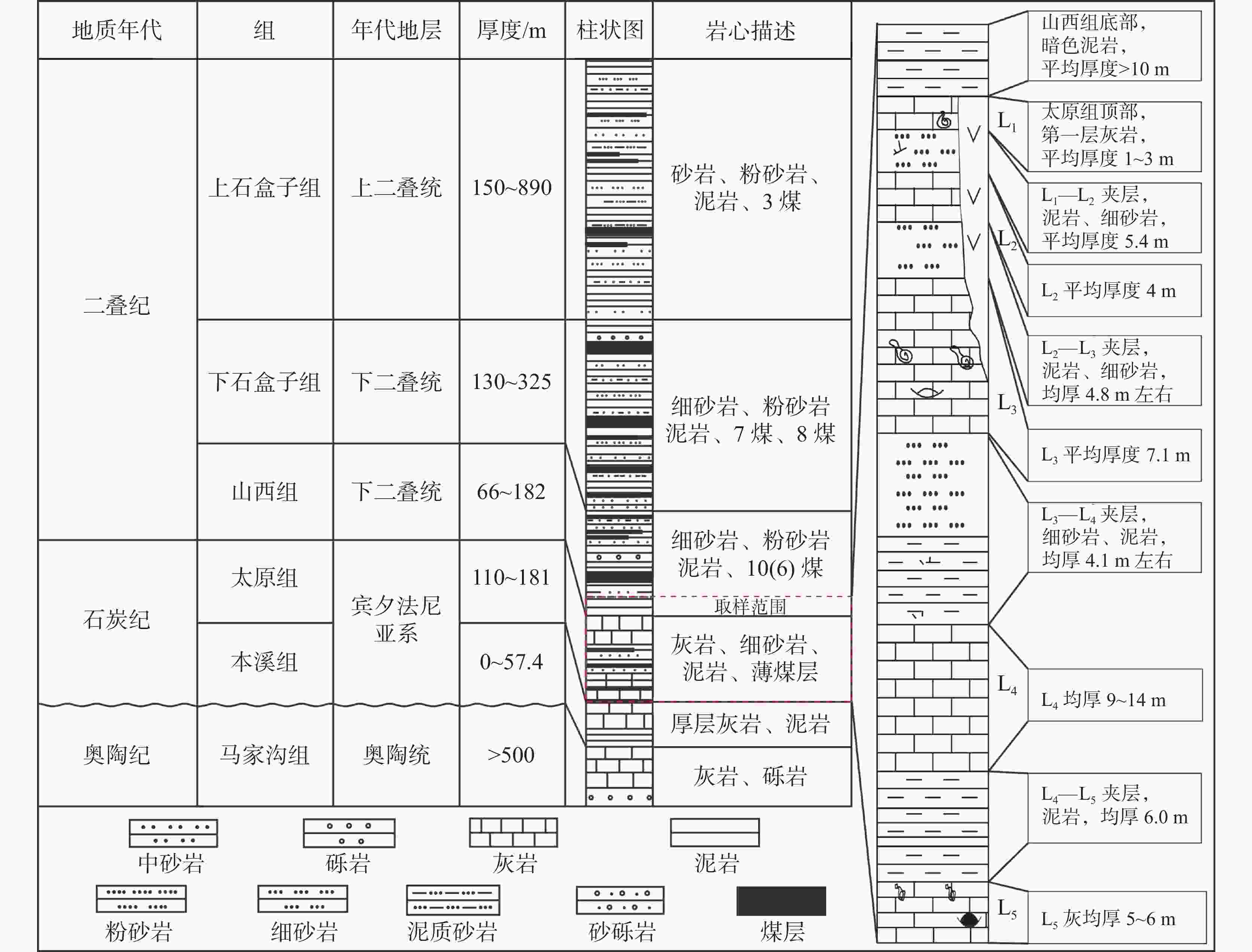
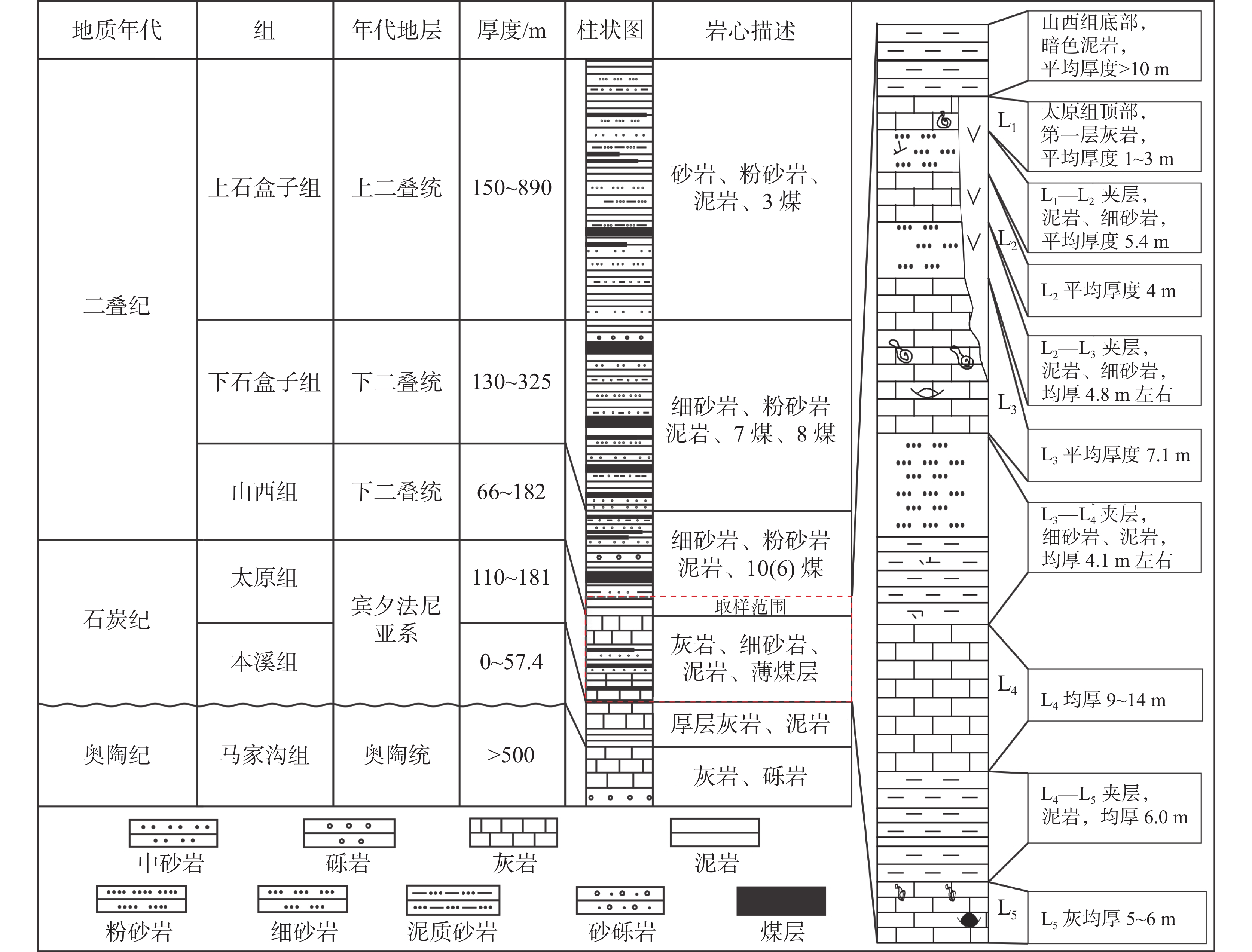
图 2 淮北矿区太原组上段岩性剖面
Figure 2. Stratigraphic lithologic profile of the upper Taiyuan Formation in Huaibei mining area
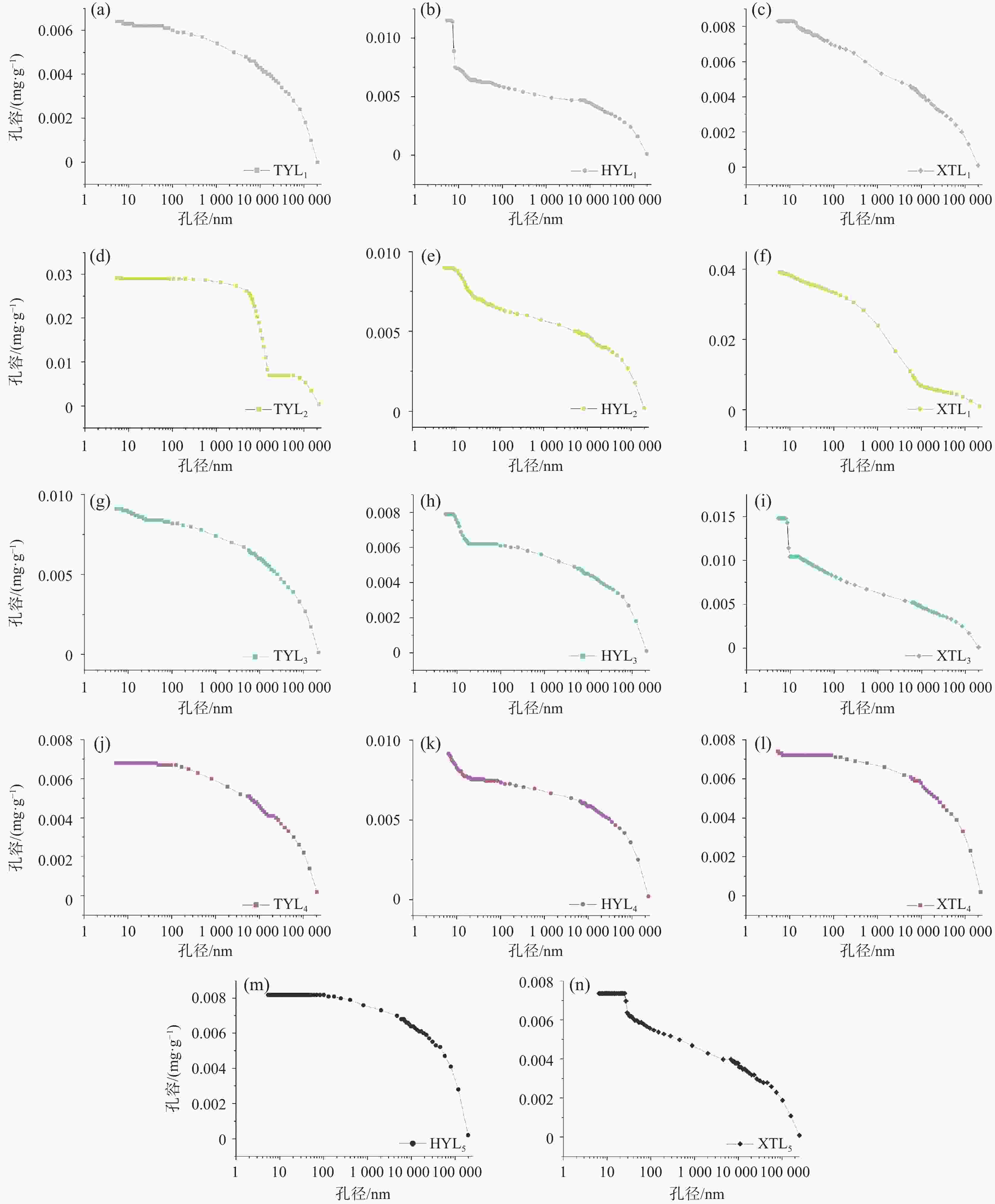
图 3 淮北矿区太灰样品高压压汞孔径分布
Figure 3. Pore size distribution of high-pressure mercury injection of the Taihui limestone samples in Huaibei mining area
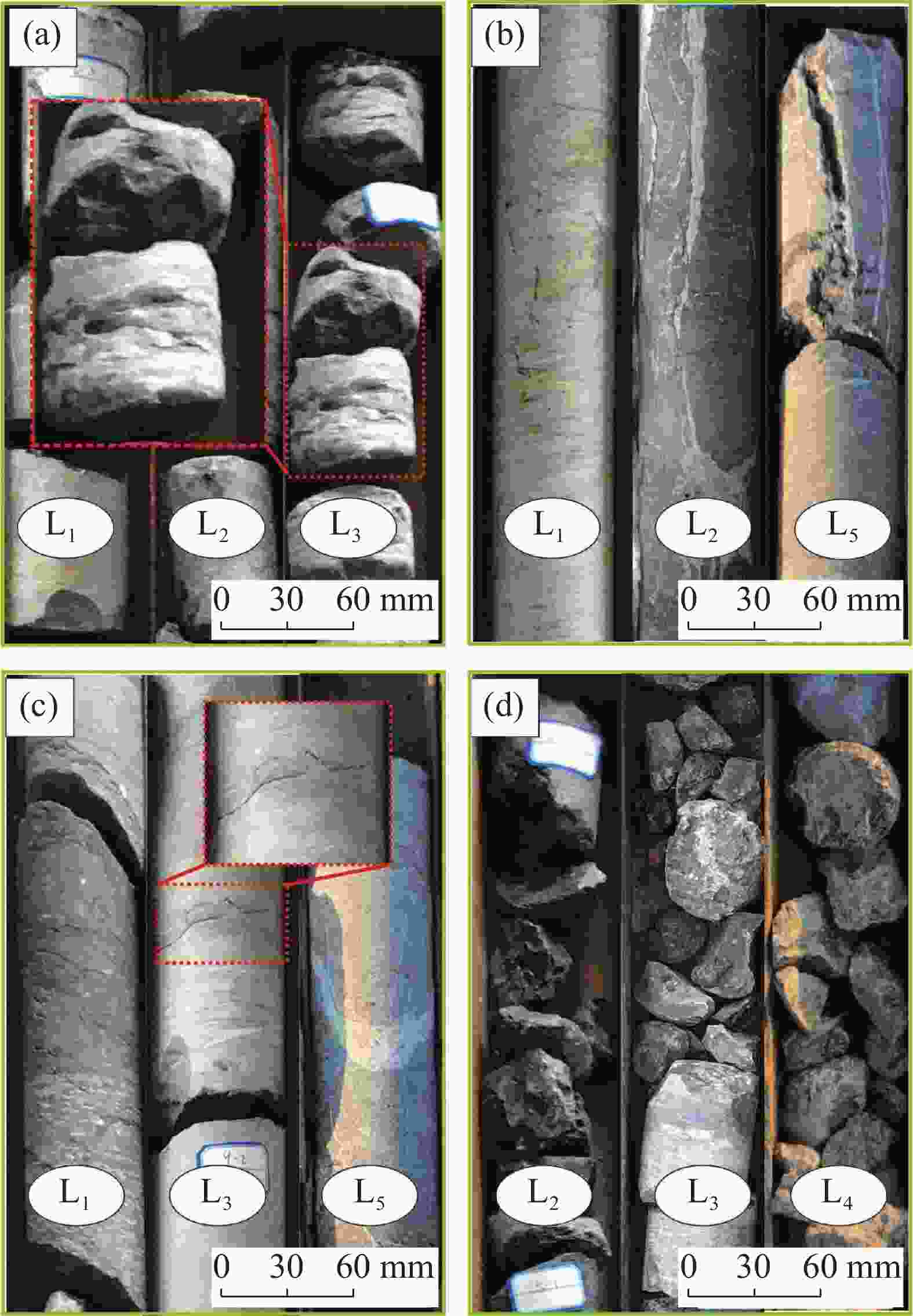
图 4 淮北矿区太灰岩溶发育特征
Figure 4. Development characteristics of Taihui karst in Huaibei mining area
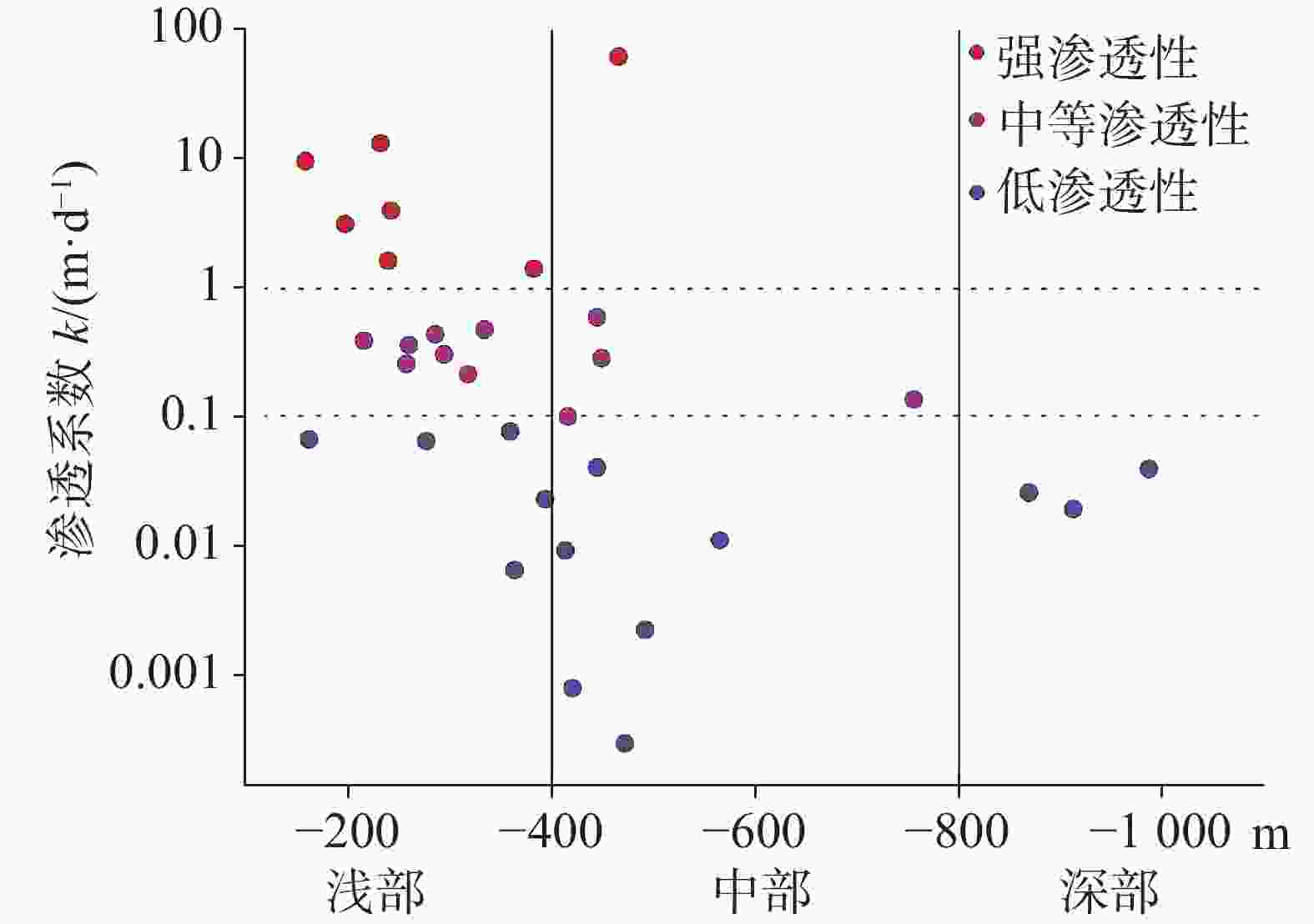
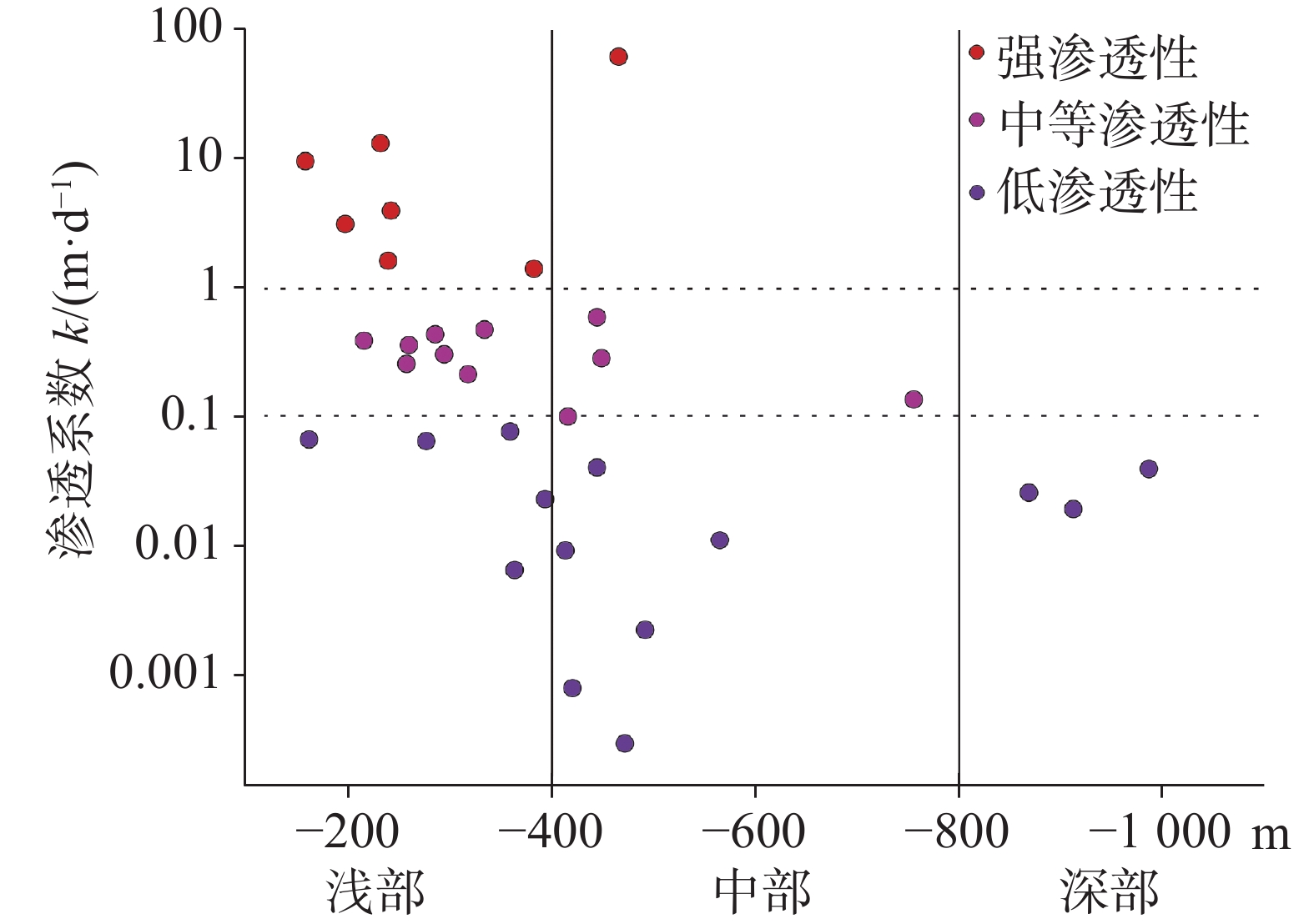
图 5 淮北矿区不同标高太灰地层渗透系数
Figure 5. Permeability coefficient of Taihui limestones at different elevations in Huaibei mining area
-
[1] 潘文勇. 华北型岩溶煤田的灰岩分布规律及岩溶发育特征[J]. 煤炭学报, 1982(3): 48-56.Pan Wenyong. Distribution regularities of the limestones and development of karst in North-China type coal fields[J]. Journal of China Coal Society, 1982(3): 48-56. [2] 冯启言, 沈文, 李义昌. 滕沛煤田奥陶系岩溶发育的层控规律[J]. 煤田地质与勘探, 1990(1): 40-44,71-72. [3] 刘红梅. 陶枣煤田岩溶发育的空间规律及其对水文地质条件的制约作用[J]. 安徽理工大学学报(自科版), 1998(2): 19-23.Liu Hongmei. The spatial law of karst development in Taozao coalfield and its restriction on hydrogeological conditions[J]. Journal of Anhui University of Science and Technology(Natural Science), 1998(2): 19-23. [4] 施龙, 宋振骐. 肥城煤田深部开采突水评价[J]. 煤炭学报, 2000, 25(3): 273-277. doi: 10.3321/j.issn:0253-9993.2000.03.012Shi Long, Song Zhenqi. Evaluation for the water inrush possibility in the deep mining in Feicheng coalfield[J]. Journal of China Coal Society, 2000, 25(3): 273-277 doi: 10.3321/j.issn:0253-9993.2000.03.012 [5] 王锋利. 大同煤田岩溶发育特征研究[J]. 中国煤炭地质, 2018, 30(11): 61-65. doi: 10.3969/j.issn.1674-1803.2018.11.13Wang Fengxi. Study on karst development features in Datong coalfield[J]. Coal Geology of China, 2018, 30(11): 61-65. doi: 10.3969/j.issn.1674-1803.2018.11.13 [6] Zhang Haitao, Xu Guangquan, Liu Mancai, Wang Minghua. Formation environments and mechanisms of multistage paleokarst of Ordovician carbonates in Southern North China Basin[J]. Scientific Reports, 2021(1): 819. doi: 10.1038/s41598-020-80878-x [7] 李白英. 预防矿井底板突水的“下三带”理论及其发展与应用[J]. 山东矿业学院学报(自然科学版), 1999, 18(4): 11-18.Li Baiying. "Down Three Zones" in the Prediction of the water inrush from Coalbed Floor Aquifer-theory, Development and Application[J]. Journal of Shandong Institute of Mining and Technology(Natural Science), 1999, 18(4): 11-18. [8] 桂和荣, 孙本魁. “深部开采底板突水控制论”研究意义及核心内容[J]. 淮南工业学院学报, 1999, 19(3): 1-4.Gui Herong, Sun Benkui. Study meaning and the core content of the control theory about water inrush from bed bottom in deep mining[J]. Journal of Huainan Institute of Technology, 1999, 19(3): 1-4. [9] 桂和荣, 龚乃勤, 孙本魁. “深部开采底板突水控制论”研究基本思路及方案(续)[J]. 淮南工业学院学报, 1999, 19(4): 1-4,32.Gui Herong, Gong Naiqing, Sun Benkui. Study of control theory on water inrush from bed bottom in deep mining: Basic study thinking, and plan[J]. Journal of Huainan Institute of Technology, 1999,19(4): 1-4,32. [10] 李飞, 孔德中, 汪洋, 王玉成. 我国煤层底板突水机理与防治研究现状与展望[J]. 煤矿安全, 2022, 53(11): 200-206. doi: 10.13347/j.cnki.mkaq.2022.11.001Li Fei, Kong Dezhong, Wang Yang, Wang Yucheng. Research status and prospect of water inrush mechanism and prevention of coal seam floor in China[J]. Safety in Coal Mines, 2022, 53(11): 200-206. doi: 10.13347/j.cnki.mkaq.2022.11.001 [11] Wu Qiang, Xing Liting, Ye Chunhe, Liu Yuanzhang. The influences of coal mining on the large karst springs in North China[J]. Environmental Earth Sciences, 2011, 64: 1513-1523. doi: 10.1007/s12665-009-0376-y [12] 张海涛. 淮南煤田奥陶系古岩溶成因机理及预测研究[D]. 淮南: 安徽理工大学, 2021.Zhang Haitao. Formation mechanism and prediction of Ordovician paleokarst in Huainan Coalfield[D]. Huainan: Anhui University of Science and Technology, 2021. [13] 许光泉, 张海涛, 周继生, 李旭, 汪敏华, 刘满才. 华北煤田岩溶陷落柱及其突水研究综述及展望[J]. 中国岩溶, 2022, 41(2): 259-279. doi: 10.11932/karst20220207Xu Guangquan, Zhang Haitao, Zhou Jisheng, Li Xu, Wang Minhua, Liu Mancai. Study and prospect of karst collapse columns and their water inrush in the coalfield of North China[J]. Carsologica Sinica, 2022, 41(2): 259-279. doi: 10.11932/karst20220207 [14] Li Jun, Gui Herong, Cheng Luwang, Fang Pei, Li Guangping, Li Ruirui. Geochemical characteristics, paleoenvironment and provenance of marine mudstone in Shanxi Formation of Huaibei Coalfield, southern North China Plate[J]. Geological Journal, 2021, 56(6): 3064-3080. doi: 10.1002/gj.4092 [15] Li Jun, Gui Herong, Chen Luwang, Fang Pei, Li Xiaoping, Zhang Jie, Wang Yinxin. Geochemistry of the Late Paleozoic 'thin layer' limestones in the southern North China Craton: Implications for closure of northeastern Paleo-Tethys Ocean[J]. Geological Magazine, 2022, 159(4): 494-510. [16] 刘文, 徐聪聪, 于令芹, 李海翔, 卢茜茜, 朱钦锋, 柳浩然. 不同地质背景下北方岩溶作用强度研究[J]. 中国岩溶, 2023, 42(5): 887-897.Liu Wen, Xu Congcong, Yu Lingqin, Li Haixiang, Lu Qianqian, Zhu Qinfeng, Liu Haoran. Study on the intensity of boreal karstification under different geological conditions: A case study at the recharge area of Baotuquan Spring drainage area, Jinan, Northern China[J]. Carsologica Sinica, 2023, 42(5): 887-897. [17] 王瑜, 孙立新, 周丽云, 谢玥婷. 燕山运动与华北克拉通破坏关系的讨论[J]. 中国科学: 地球科学, 2018, 48(5): 521-535.Wang Yu, Sun Lixin, Zhou Liyun, Xie Yueting. Discussion on the relationship between the Yanshanian Movement and cratonic destruction in North China [J]. Science China Earth Sciences, 2018, 48(5): 521−535. [18] 姚素平. 皖北矿区地质构造规律研究[D]. 南京: 南京大学, 2014.Yao Suping. Research on the geological structure law of the mining area in northern Anhui [D]. Nanjing: Nanjing University, 2014. [19] 张庆玉, 李景瑞, 梁 彬, 淡永, 曹建文. 塔里木盆地塔中地区奥陶系古岩溶包裹体特征及古环境意义[J]. 中国岩溶, 2020, 39(6): 894-899.Zhang Qingyu, Li Jingrui, Liang Bin, Dan Yong, Cao Jianwen. Characteristics and paleoenvironmental significance of Ordovician karst inclusions in the Tazhong area , Tarim basin[J]. Carsologica Sinica, 2020, 39(6): 894-899. [20] 李景瑞, 梁彬, 于红枫, 张庆玉, 曹建文, 淡永, 郝彦珍, 李杰. 中古8井区断裂与鹰山组岩溶储层成因关系[J]. 中国岩溶, 2015, 34(2): 147-153.Li Jingrui, Liang Bin, Yu Hongfeng, Zhang Qingyu, Cao Jianwen, Dan Yong, Hao Yanzhen, Li Jie. Genesis relationship between faults and karst reservoirs in the Yingshan formation, Medieval No. 8 wellblock[J]. Carsologica Sinica, 2015, 34(2): 147-153. -

 下载:
下载:
 点击查看大图
计量
- 文章访问数: 1376
- HTML浏览量: 106
- PDF下载量: 26
- 被引次数: 0
